We Bring Life & Color Back to Your Yard with Native Landscaping Bucks County, PA
Native plants are critical for healthy, functioning ecosystems that each of us rely on. It is our mission to
help counteract the immense loss of native habitat by creating beautiful, functional native gardens that add beauty to every day.
Let’s Bring Your Yard to Life!
Native Plants Thrive! They Are Adapted to Our Soil and Climate.

Native Plants Support Pollinators, Birds, and other Important Wildlife!
Native Habitats Encourage Less Maintenance!
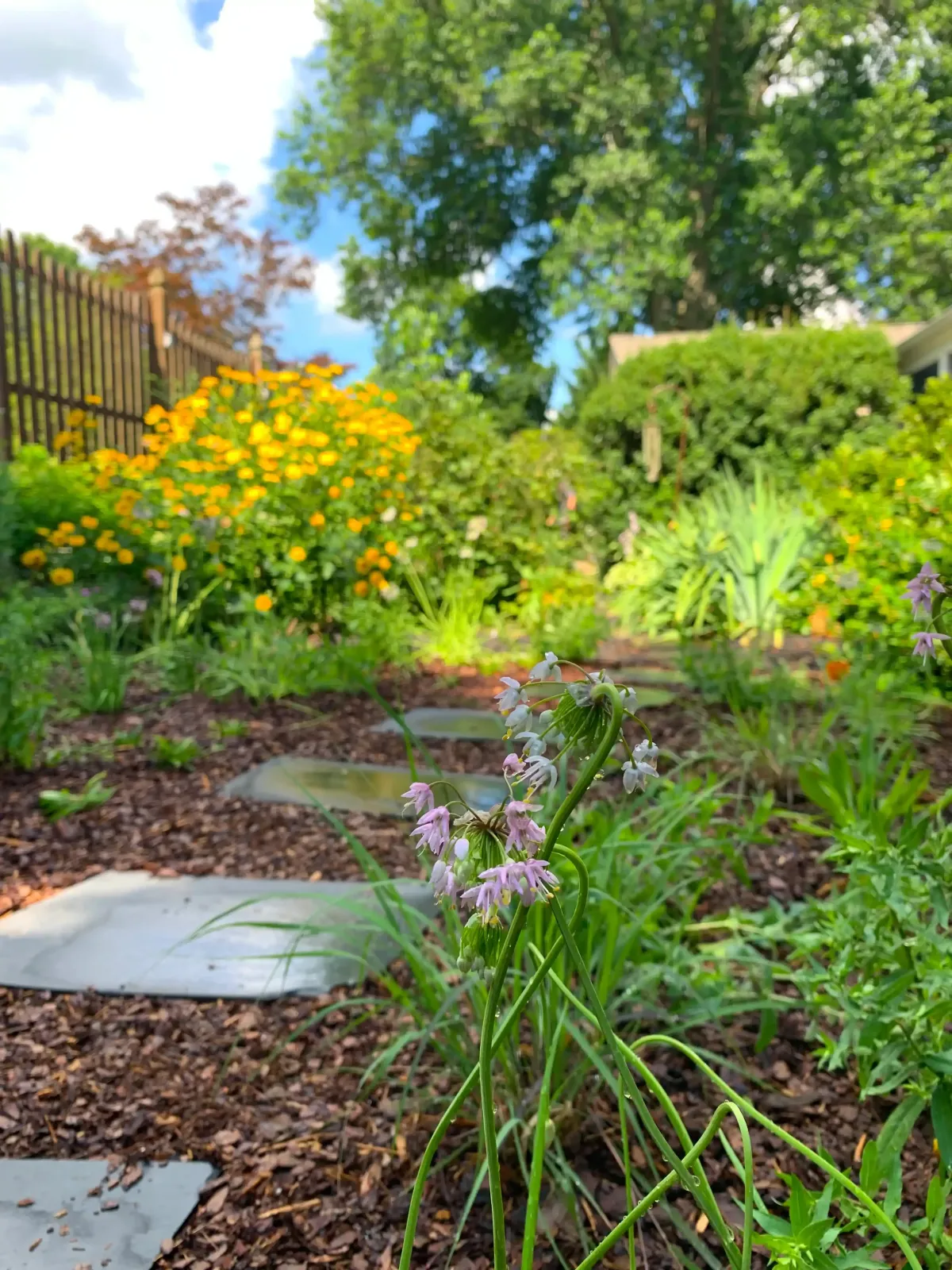
Native Plants are Beautiful & Bring Color Back to Your Landscape.
Our Process
Tell us about your project/ideas.
We will reach out to set up a quick call
If we are a good fit, we will come out to do a free 30 minute site visit
Our Services
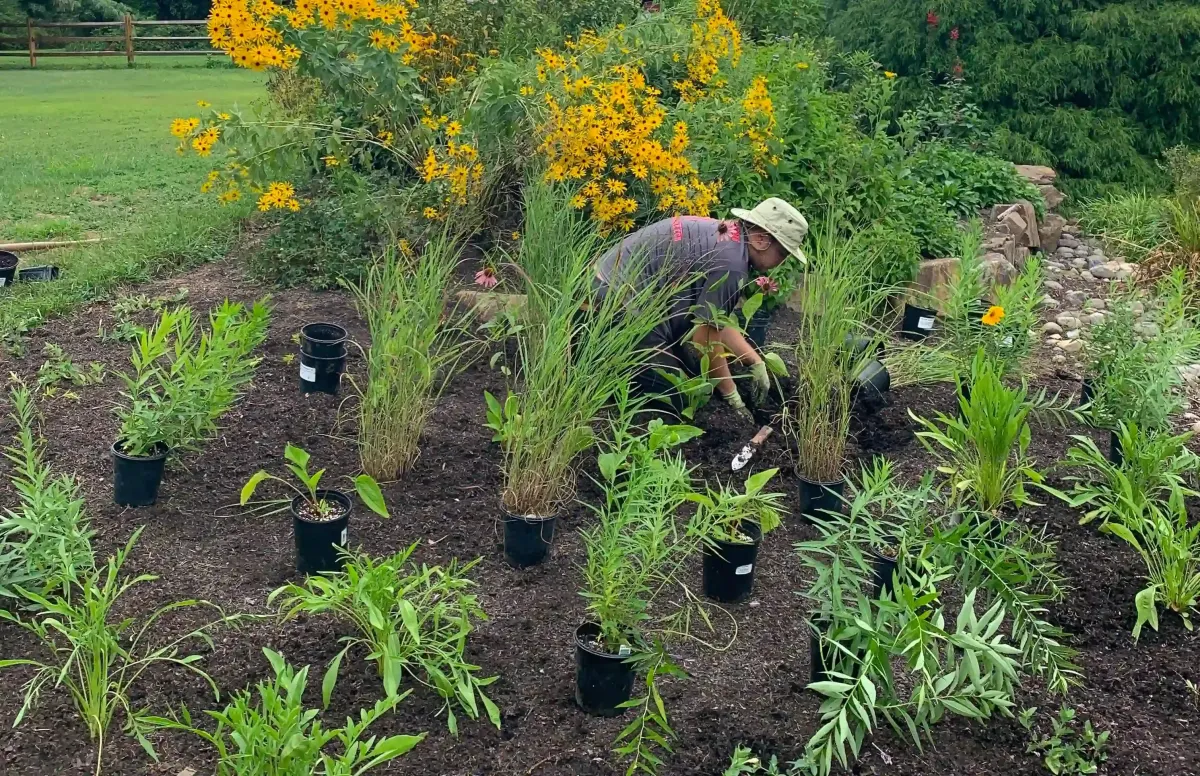
Native Garden Installation
We create & install native plant gardens whether in an existing garden bed or we will create new ones for you.
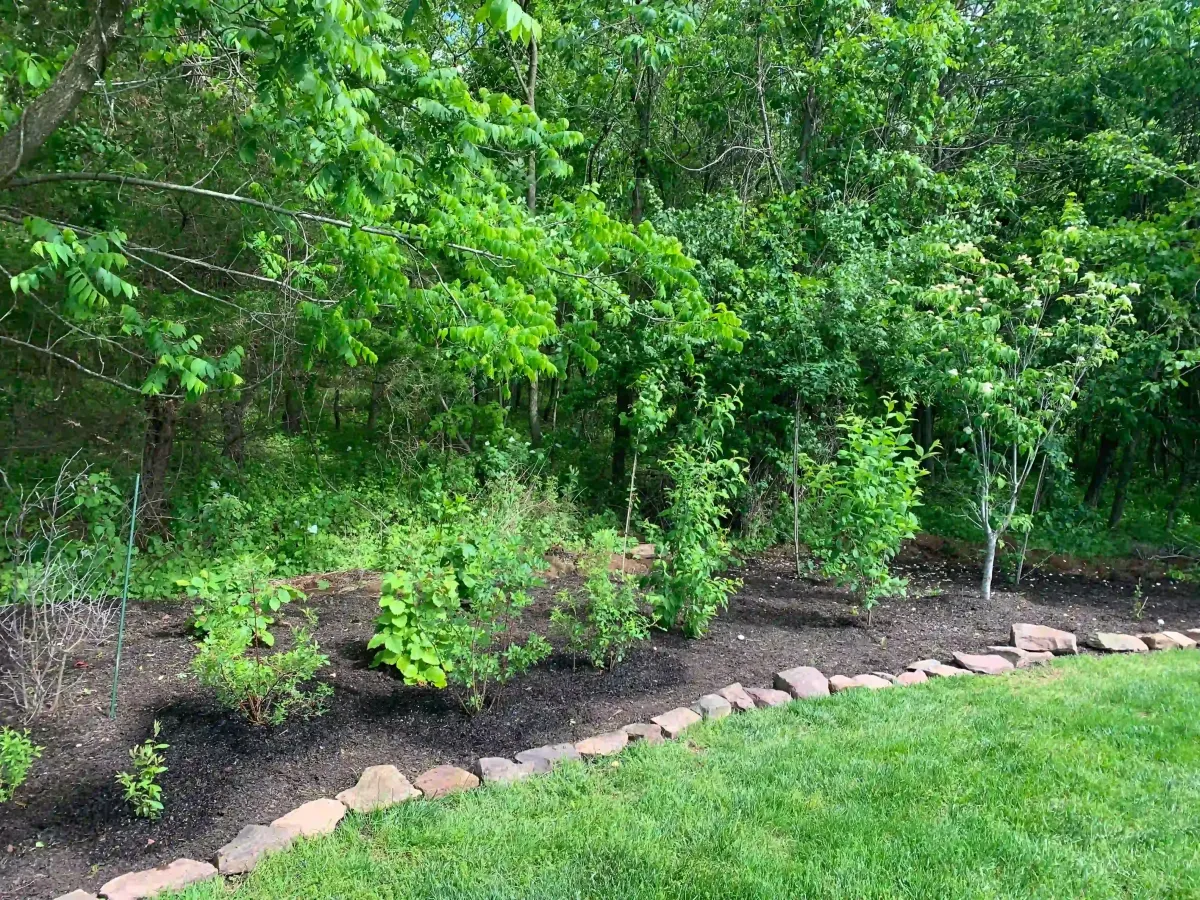
Native Tree & Shrub Planting
Looking for a native hedgerow? Need a native tree or shrub planted? We're happy to do that for you!
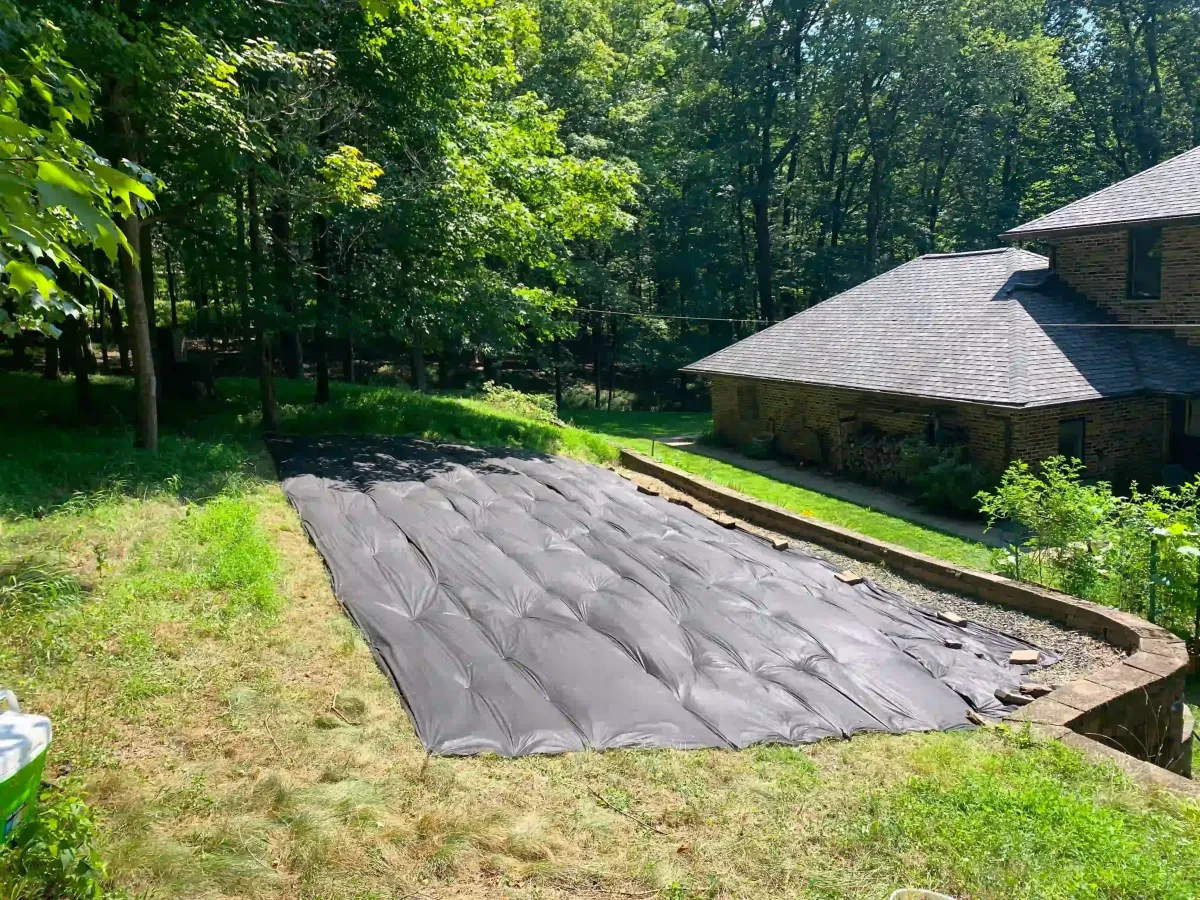
Unlawning
Unlawning refers to an ecological movement of getting rid of non-functional areas of lawn and replacing them with native plants.
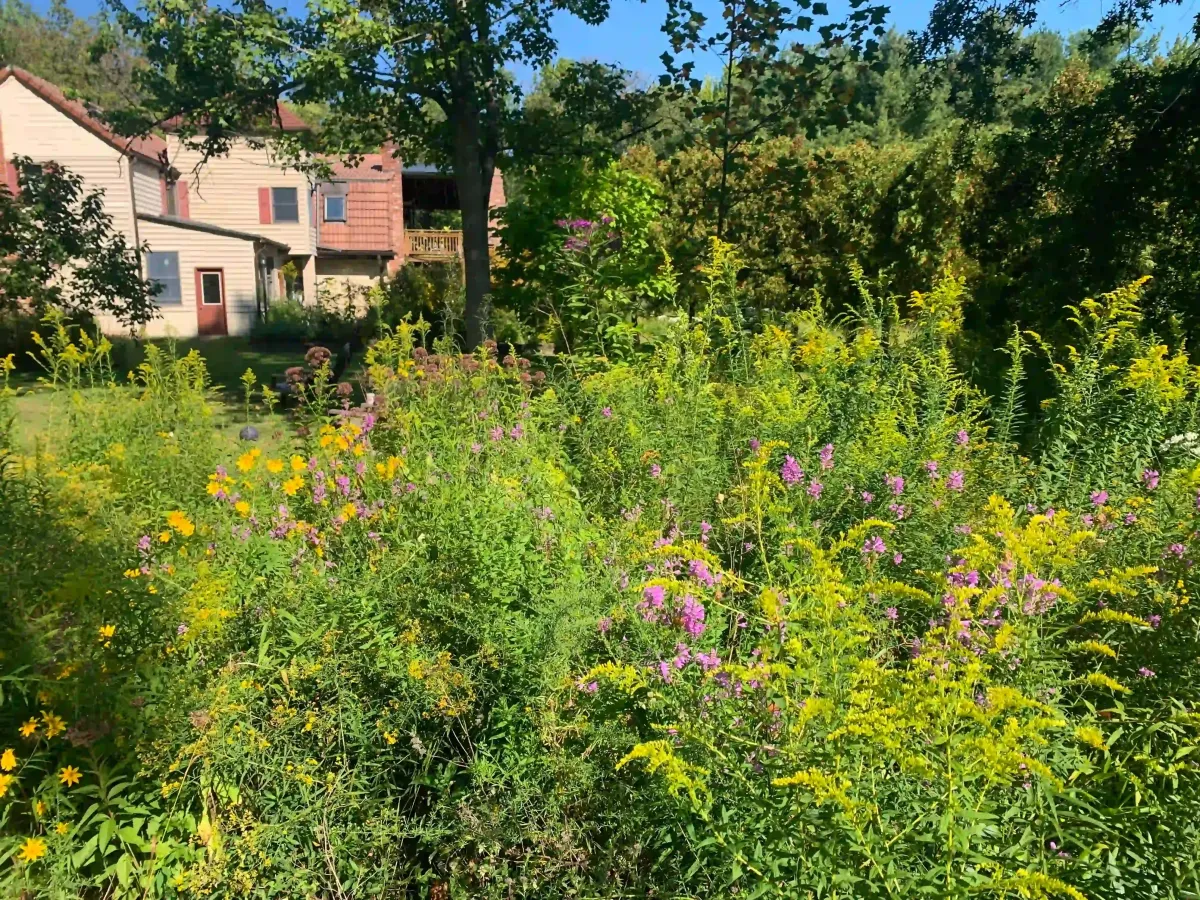
Rewilding/Meadows/Microforests
Looking for something more natural? Rewilding consists of converting areas back into their natural & self-sustaining state; meadow, forest, riparian buffer, etc. Mini-meadows are great for homeowners!
Microforests are an emerging practice of densely planting trees and shrubs with an open center to create a refuge for humans and wildlife in the middle of an otherwise unnatural environment.
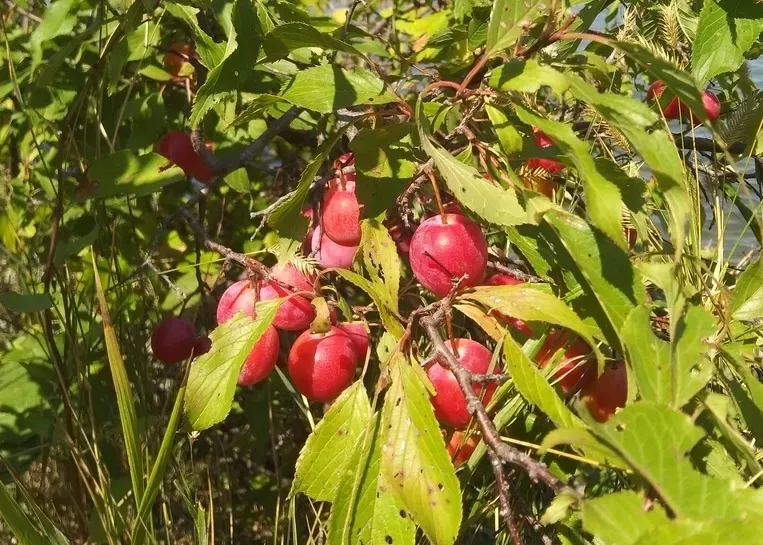
Native Edibles/Orchards
Did you know that there are many types of native edibles & medicinals?
If you're looking to grow more of your own food or provide food for wildlife, we'll help you pick the right native edibles for you.
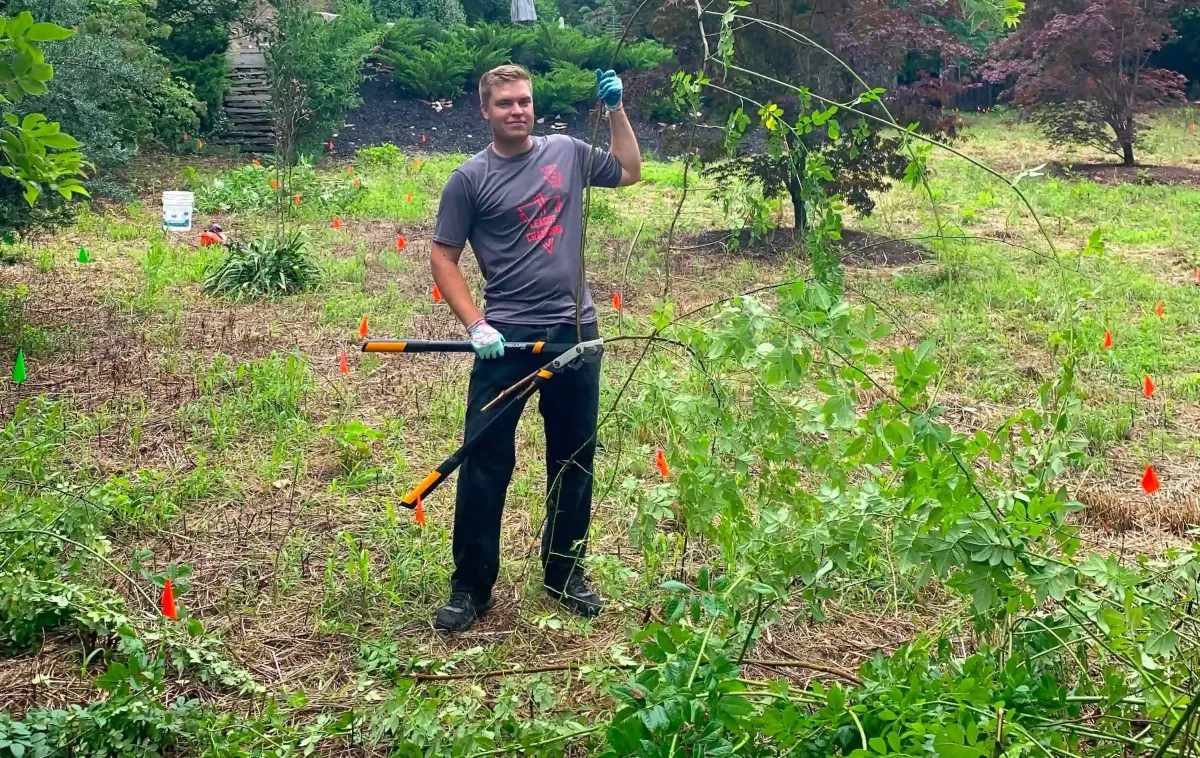
Invasive Management
Invasive plants are non-native species that spread aggressively, easily taking over native plants and not allowing anything else to grow, decreasing biodiversity. Invasive plants are by far one of the biggest problems facing our remaining wild places today.
We can help you come up with a management plan to keep the invasives on your property under control.
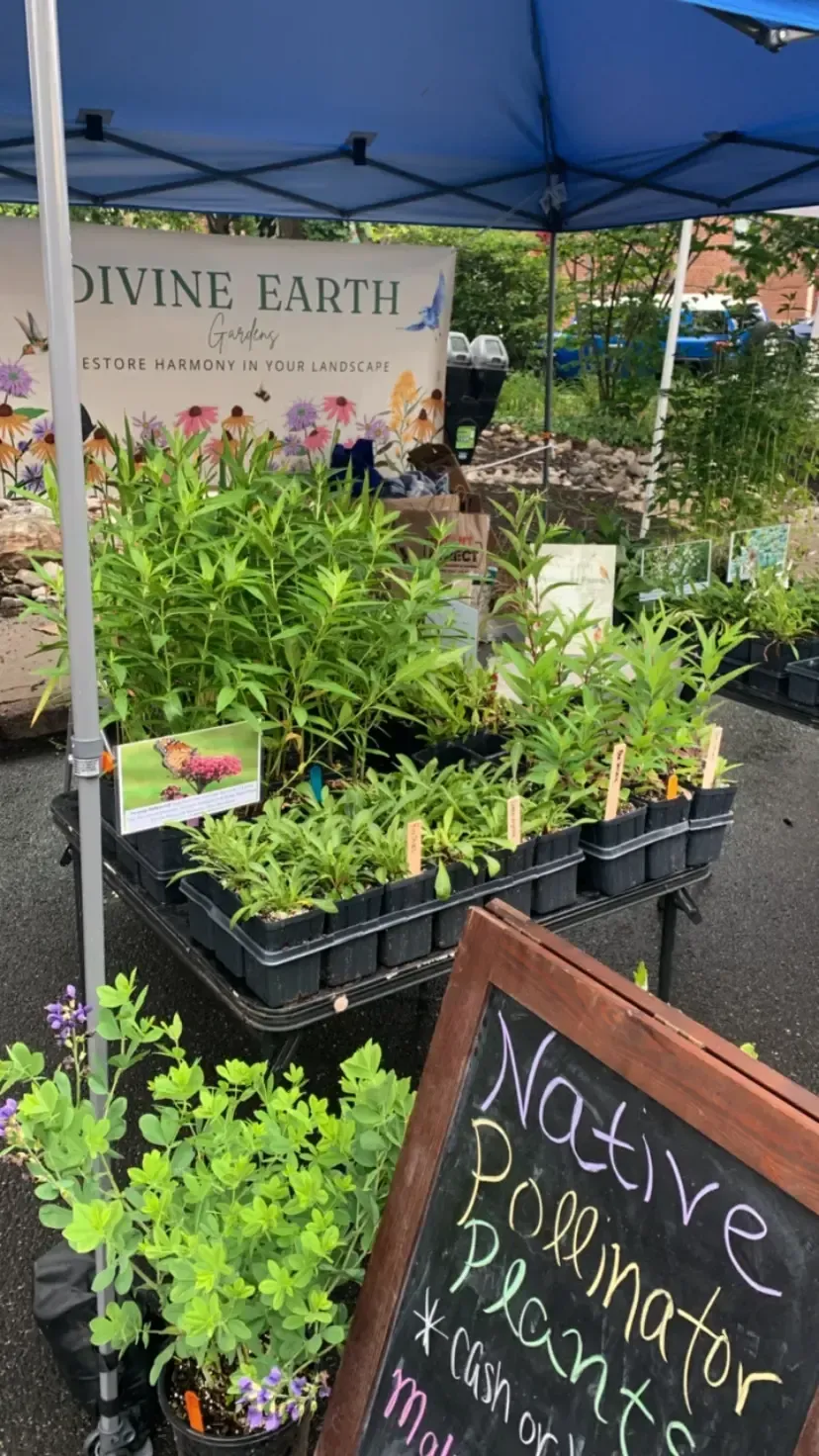
Local Markets
Come see us at local farmer's markets!
2026 dates will be posted here and on our social media in early spring.
About Us
“We abuse land because we see it as a commodity belonging to us. When we see land as a community to which we belong, we may begin to use it with love and respect.” ― Aldo Leopold
Our mission is to restore the connection between nature and people through the creation of beautiful, functional spaces that bring life and color back to the modern landscape.
Our clients understand that today’s typical landscapes have so much more potential. They are looking for ways to bring vibrant color to their yard while supporting pollinators, birds, and other vital wildlife, while embracing a more hands-off approach, allowing nature to exist without overly controlling it.
We believe landscapes should be sanctuaries buzzing with life!
Meet Our Team
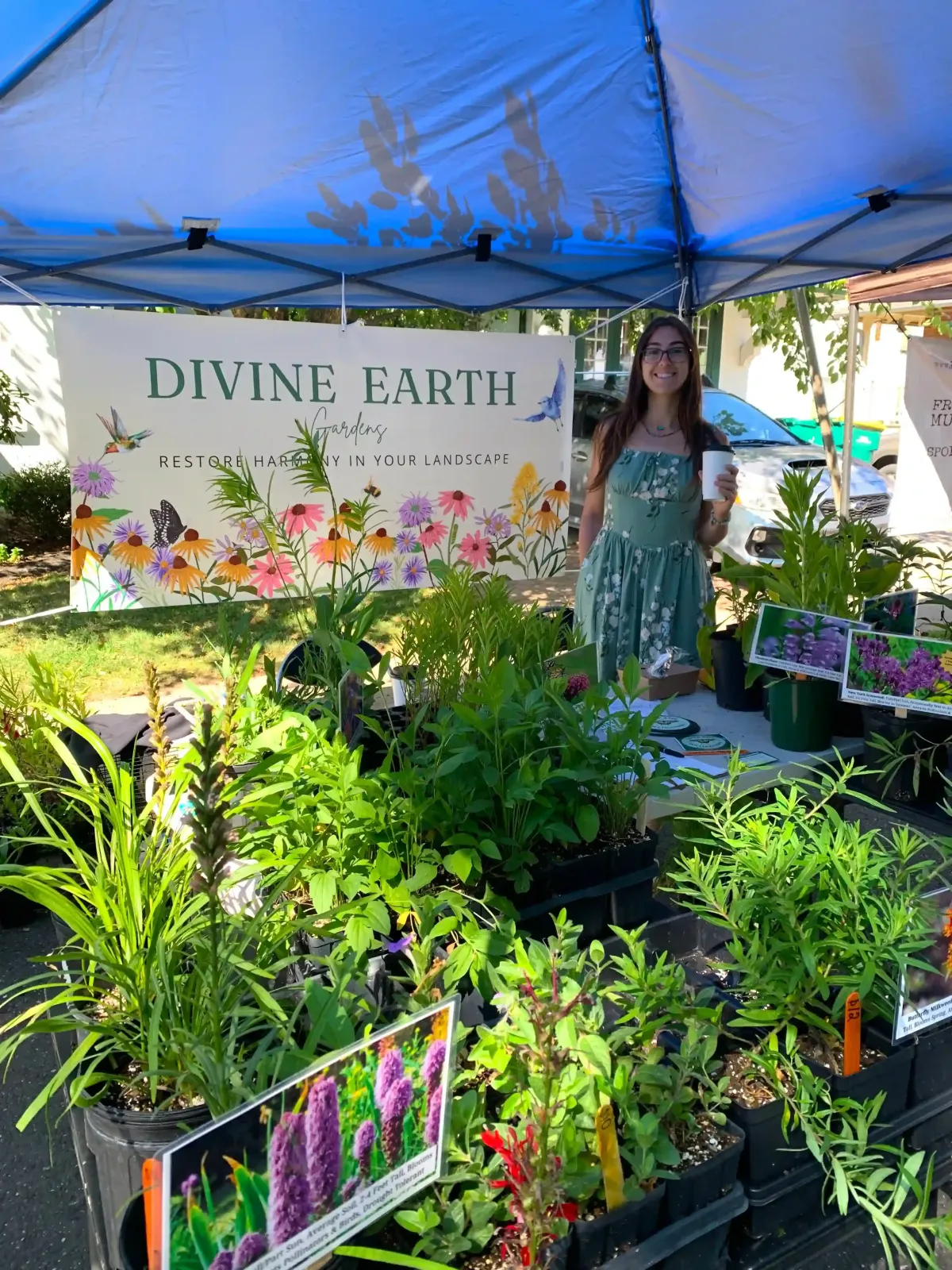
Andrea Glang-Polozniakova
Owner/Garden Designer/Project Manager/Field Supervisor
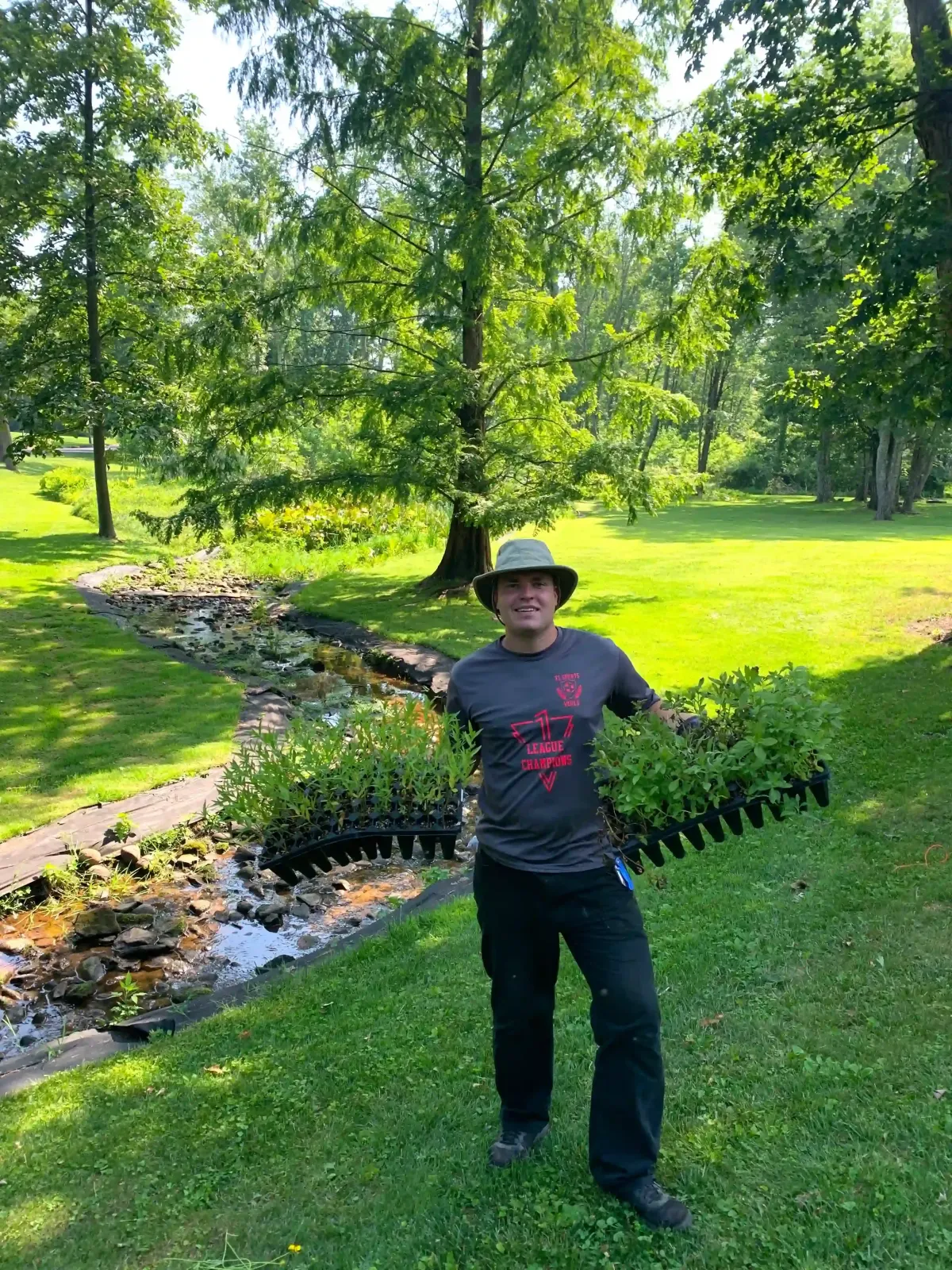
Oleg Polozniakov
Foreman/Lead Grower/Chief Marketing Officer
Portfolio
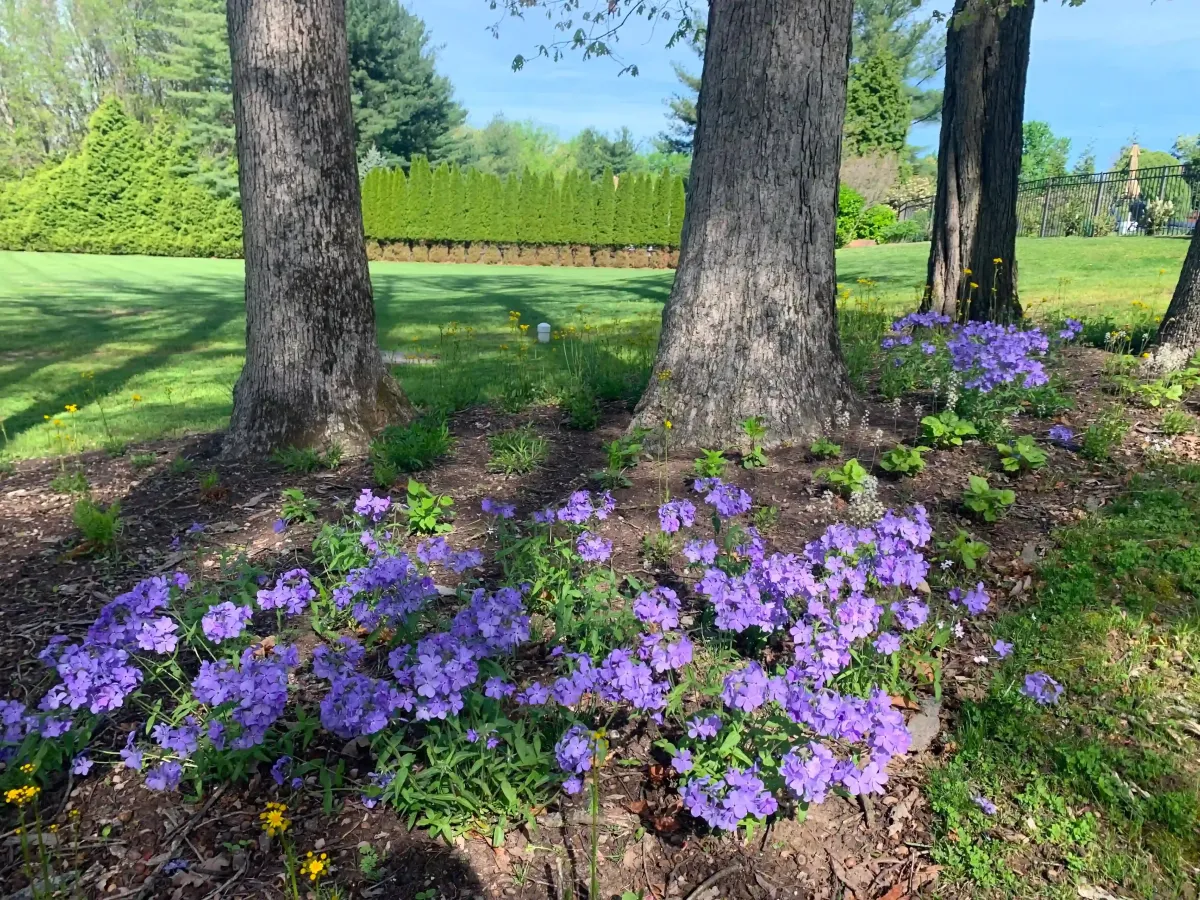
Doylestown, PA
We created these native shade gardens underneath beautiful white oak trees that
used to be just mulched beds. Now they
begin blooming in April & you can smell the
fragrance when walking by!
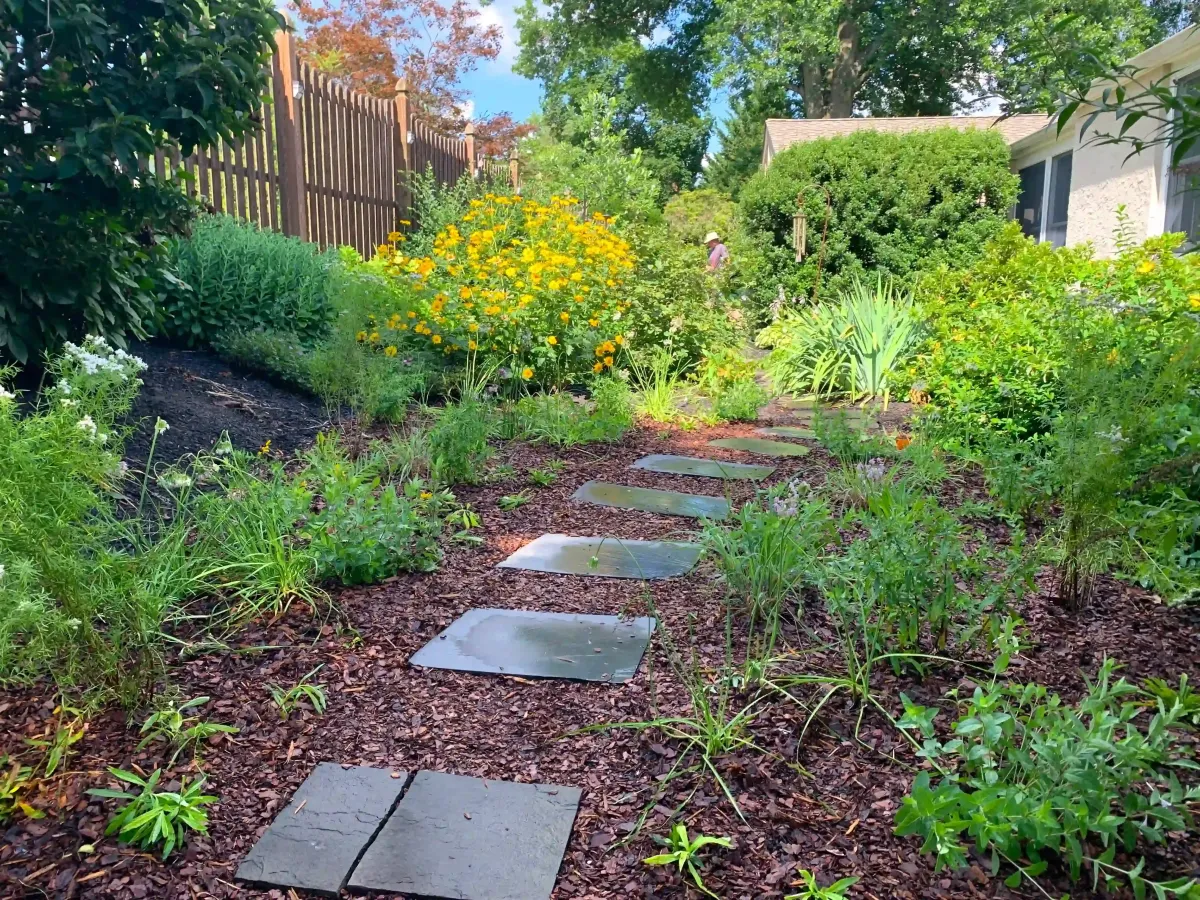
Yardley, PA
This area was sown with generic wildflower seeds from the garden center. It became too tall (up to 5') & wild for this customer, so we removed everything, added a walkway and filled it with native plants that will be a more appropriate height for this area.
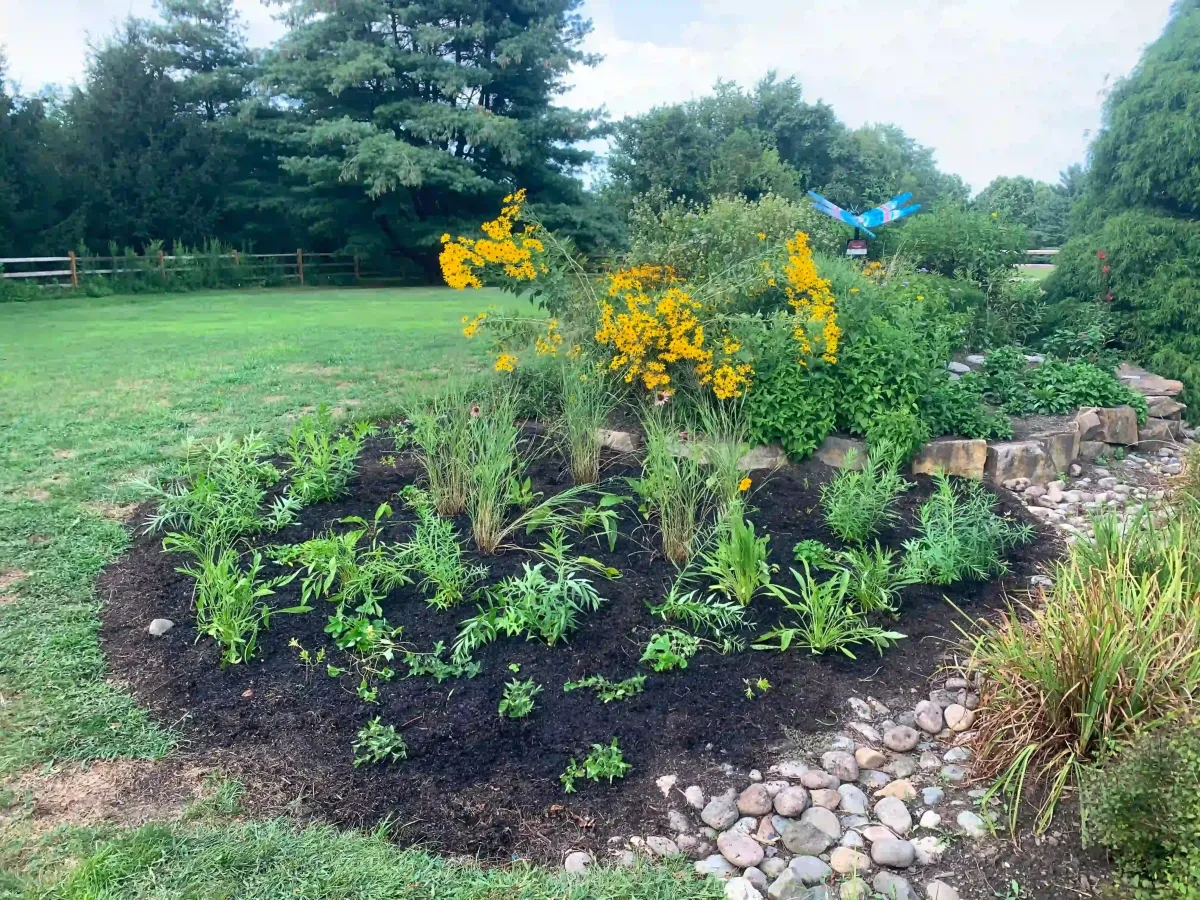
Doylestown, PA
We turned this small mulched bed into a native pollinator garden filled with biodiversity. This garden will provide food for pollinators & bring tons of color all season.
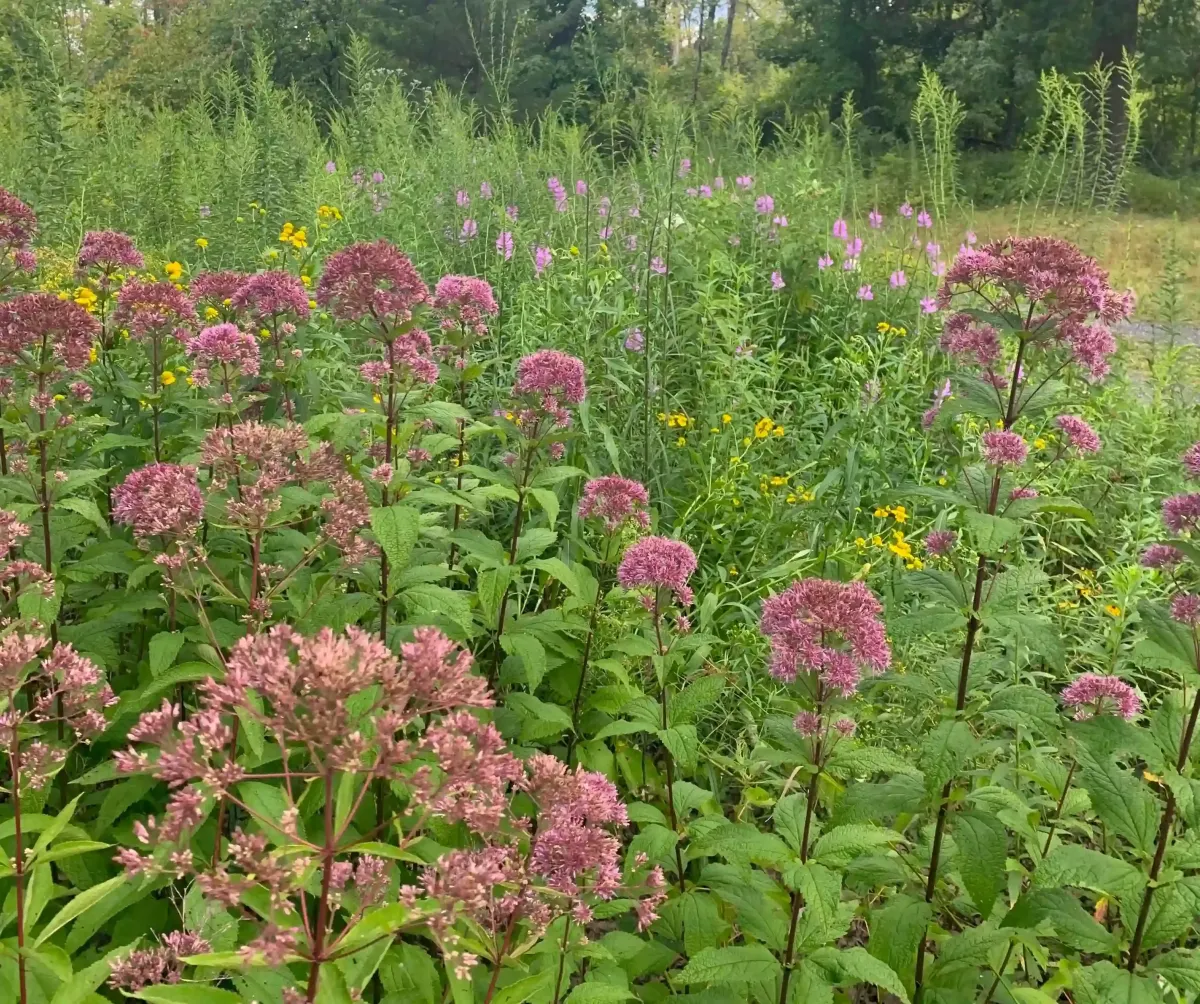
Plumsteadville, PA
This 2,000 square foot area was all invasive bamboo. We excavated the bamboo and created a thriving wet meadow that is a sanctuary for birds, bees, butterflies, hummingbird moths, and so much more!
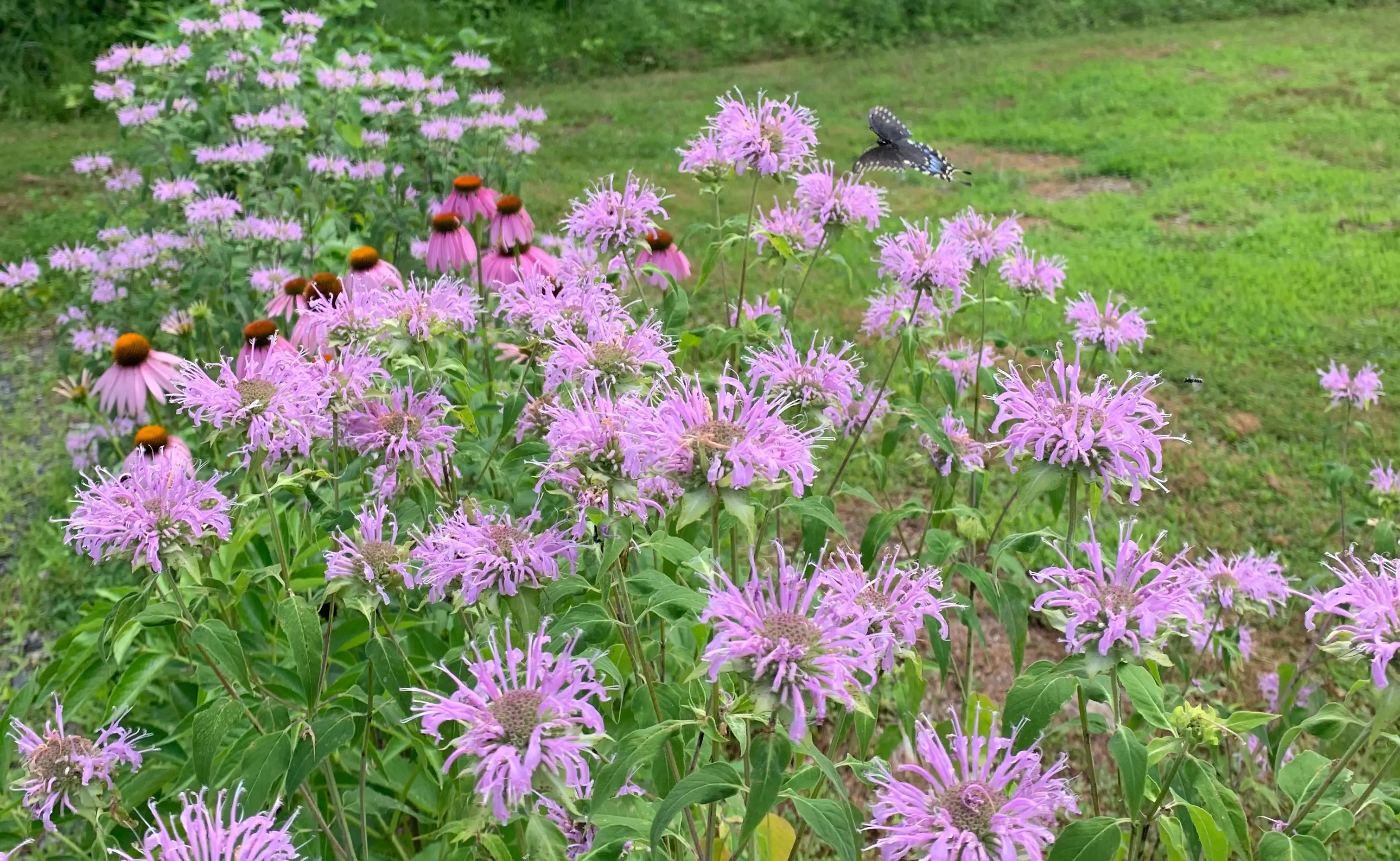
Plumsteadville, PA
You can't help but stop and smile at this vibrant driveway strip of coneflower, wild bergamot, and other native plants. These plants are pollinator favorites! Can you spot the black swallowtail butterfly?
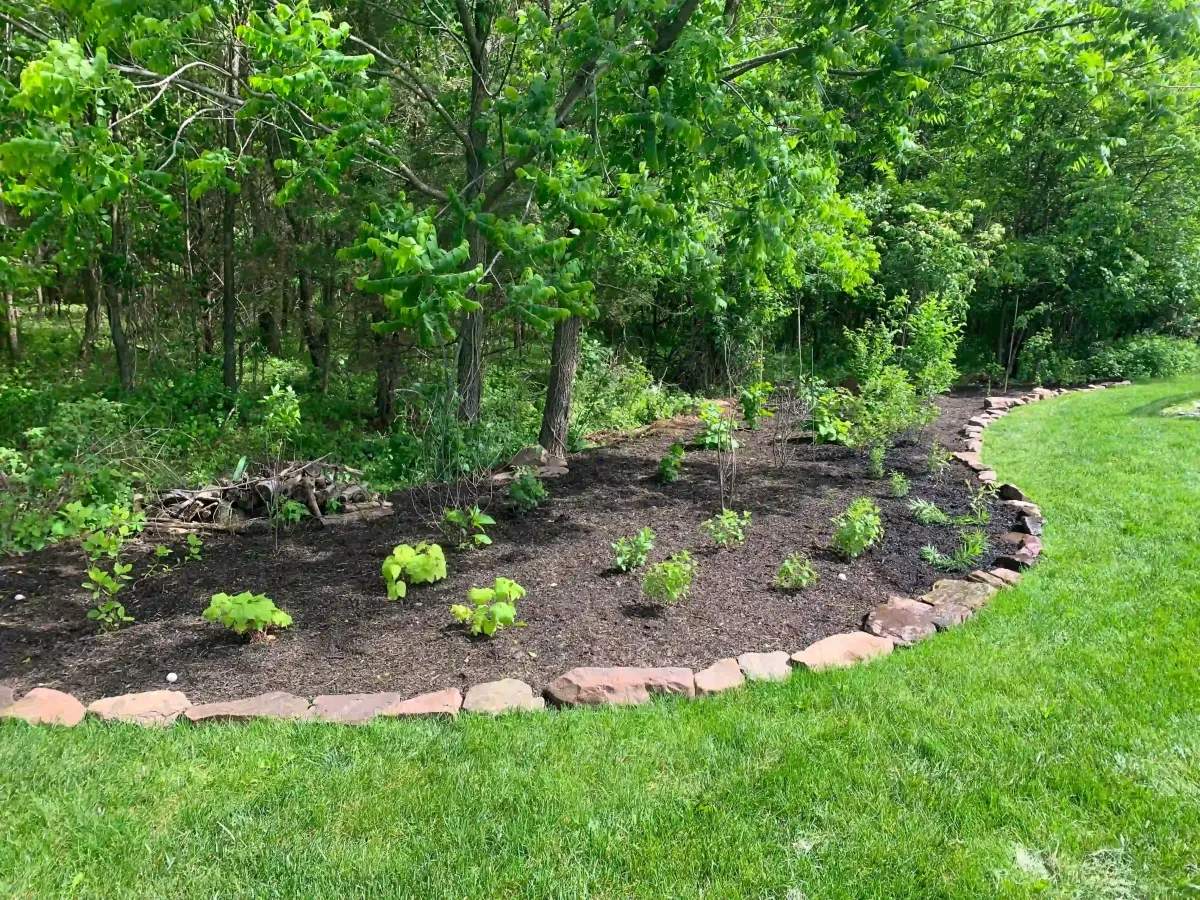
Chalfont, PA
We extended this woodland edge, using all stone found on site to create a natural edging. We incorporated lots of spring blooming and fruiting native trees, native roses and other native shrubs, and native perennials for all-season color.
Bring Your Yard to Life!
Frequently Asked Questions
What is Native Landscaping / Ecoscaping?
Native plants are those that have existed within a region for thousands of years; the plants that were naturally occurring before colonization. Native landscaping uses native plants, which are better for the environment, in place of typical garden center plants. Ecoscaping is term that I like to use to describe what we do. Our goal is to create environmentally-friendly spaces that work with nature and take a more hands-off approach to let nature do what nature does, rather than overly controlling it.
What is the difference between "native" and "traditional" landscaping?
Native landscaping uses plants that are native to an area. Using native plants supports important wildlife like pollinators and birds by giving them food and shelter. Traditional ornamental plants from other countries typically do not support wildlife the way that native plants do. Traditional landscapes are very controlled, manicured, typically using pesticides and fertilizer that do more harm than good. Traditional landscapes offer no shelter and little to no food for wildlife. Native landscaping tends to have a slightly more hands-off approach, like leaving flower stems standing during the winter as a home for cavity nesting bees, using natural fertilizers like leaf compost, and keeping all materials like leaves on the property they came from to create a closed-loop system which supports sustainability.
Is native landscaping just "letting the yard go wild"?
No. Most yards are full of invasive plants and turf grass. Letting a yard go wild, or just not mowing it, and letting letting weeds show up in your garden beds, would mean letting invasive plants grow and spread. More times than not, you cannot let an area "go wild" anymore, because invasive plants will just take over, and there will be few to no native plants. That is why it's important to consult a native landscaper before letting your yard grow on its own.
Native landscaping is a term used to describe the action of using native plants within a landscape. Native plants can be used for all types of landscapes, even formal ones! Native landscaping does not automatically mean it has a wild look to it. There are native plant options to fit most needs!
How long does it take for a native landscape to look "finished"?
For a native garden to look finished completely depends on the method of gardening itself.
Typically, if we install plants one year, by the second year the garden will be fully grown in. However, each year plants will fill in even more as we allow them to reseed within the space, which cuts down on weed pressure.
For new gardens, keeping up on watering and weeding is crucial. We often use plugs which are very small plants and they can dry out very easily until established. Gardens that don't get the care they need the first season typically take longer to look "complete" because plants die off and need to be replaced.
For something like a native meadow sown by seed, it could take up to 3 years for the meadow to really take off.
Do native plants require zero maintenance?
Native gardens require less maintenance than traditional gardens because of the more hands-off approach. The goal of our gardens is to create a very full space with little to no bare mulch. This cuts down significantly on weed pressure. However, weeds do happen, especially in new gardens, so keeping an eye on them, especially in the first few years, is crucial.
Mulch is important for new gardens because it keeps weeds down. We use undyed leaf mulch that has no chemicals added. Once gardens are filled in less and less mulch is required.
Native plants do not need added synthetic fertilizers. Occasionally leaf compost is needed but that is not always the case.
Native plants do not need supplemental watering when planted in the right place. Once established, you don't have to worry about watering them. They are very resilient!
Native landscapes are intended to be beautiful for humans, but also act as a home for wildlife. We encourage leaving plants standing all winter and only doing a late spring clean up. This is less work for you and better for the birds and the bees!
Will I still need to water my yard?
Watering a new native garden is crucial. We often use smaller plants called plugs for our gardens. They can dry out very quickly until their roots are established, which can take 4+ weeks. After a garden is established, watering should be little to none.
Do I need to use fertilizers or pesticides?
We do not recommend using fertilizers on native plants. Native plants are adapted to our soil and don't require additional nutrients. The only fertilizer we use is compost which can be helpful when dealing with very dry soil but is not necessary for every job.
We do not recommend using pesticides in home gardens. We promote hand-pulling or use of weeding tools.
Will a native landscape attract "pests" like mosquitoes or snakes?
Our modern world is greatly lacking in habitat. Native landscapes are meant to be a refuge for wildlife.
Any plant can attract mosquitos because they rest in cool, shady spots. But, native gardens help decrease mosquito populations because they support the wildlife that eat mosquitoes, such as birds and bats.
Depending on what wildlife you have nearby, it is possible for any type of garden to be a refuge for all kinds of animals, even snakes. We see that as a beautiful thing!
My HOA requires a "neat" lawn. Can I still use native plants?
Yes! For gardens that must be kept short and tidy, there are many native plant options that can be used.
Where do you get your plants?
We grow many native plants ourselves at our property in Bucks County. We use them on our projects and sell them at local farmer's markets. We also support many different local native wholesale and retail growers.
Do you use pesticides?
We do not use pesticides in home gardens. We either hand-pull or use manual tools.
We only use pesticides on large-scale jobs such as meadows where invasive plants are present or invasive plant removal projects. In these cases, we use ecologists who have lots of experience with this practice & who we trust to do applications responsibly.
A few weeks ago, I saw a post from Andrea introducing herself and her native garden design services. After a few texts and emails, I hired her. Her pricing was excellent and she worked with me to source the right plants for my conditions. She has designed a beautiful pollinator friendly native garden in one of the large beds in my property, and will be my go to garden design, installation and maintenance resource for the foreseeable future. Andrea is a delight to work with. She enjoys educating her customers and working with them to find the esthetic and environmental combinations that will with for them and for their property. I recommend her, and her company. Divine Earth, wholeheartedly.
★ ★ ★ ★ ★
Wendy
Divine Earth Native Gardens | Native Landscaping & Ecological Garden Design Based in Bucks County
Serving Bucks County: Doylestown, Newtown, Yardley, New Hope, Quakertown, Chalfont, Perkasie, and surrounding areas.
© 2026 by Divine Earth Gardens. Website created by Puzvi Media.


